
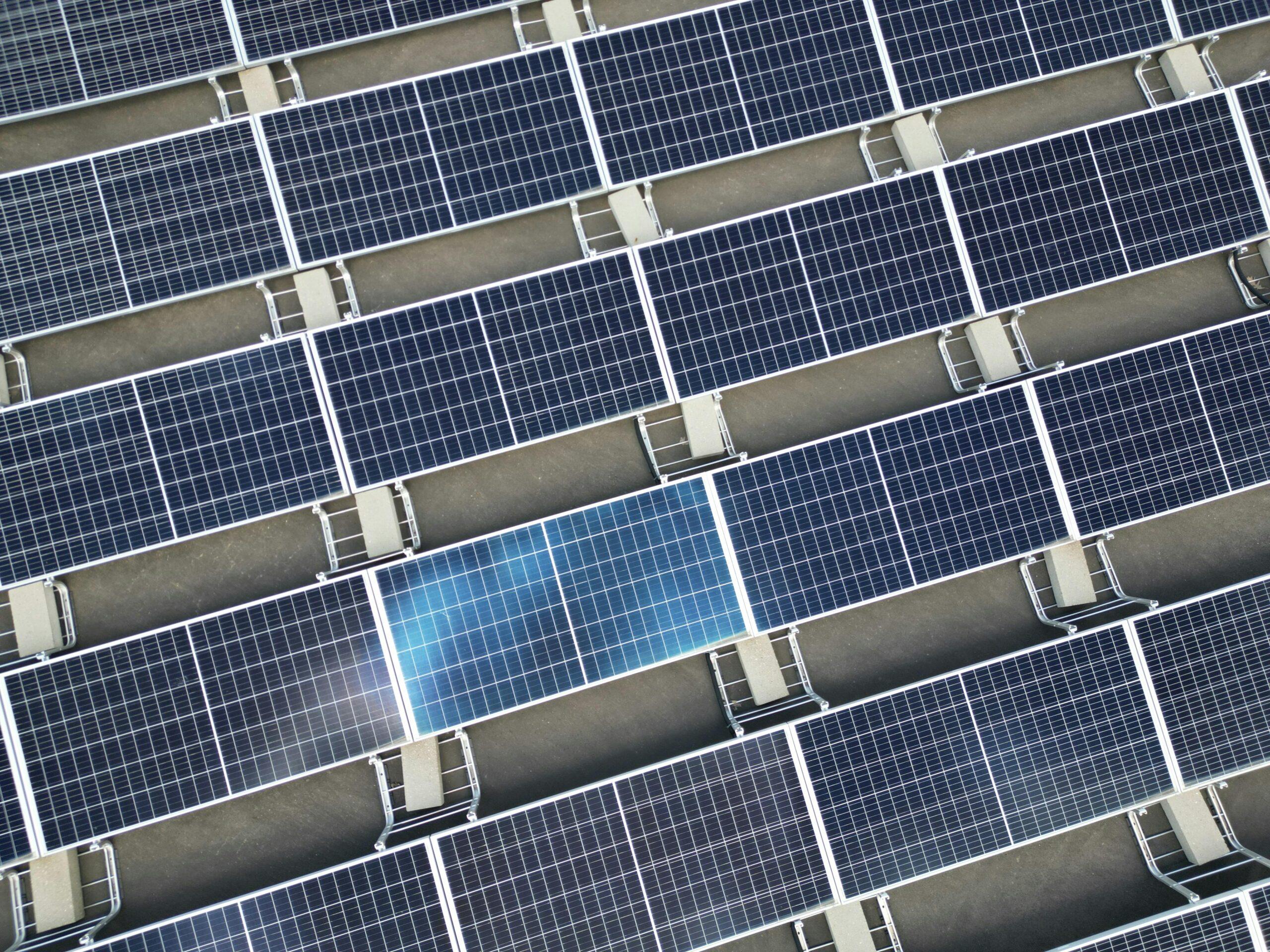
Energy sits at the heart of modern civilization — but the way we produce and consume it is undergoing a historic transformation. As climate pressures mount and global energy demand continues to rise, sustainable and clean energy technologies are rapidly moving from “nice to have” to mission critical.
Once driven mainly by environmental concerns, clean energy is now a strategic priority for governments, corporations, and investors alike. In 2024 alone, global investment in clean technologies surpassed hundreds of billions of dollars, signaling a decisive shift toward a low-carbon future.
What Is Sustainable & Clean Energy Technology?
Sustainable & clean energy tech refers to technologies that generate, store, distribute, or use energy in ways that:
● Produce low or zero greenhouse gas emissions
● Reduce dependence on finite fossil fuels
● Minimize environmental and ecological harm
● Support long-term energy security
This category goes far beyond just solar panels and wind turbines. It includes innovations across generation, storage, transportation, infrastructure, and efficiency — all working together to reshape the global energy system.
Why Clean Energy Tech Is Accelerating Now
Several forces are converging to push clean energy into the mainstream:
● Climate urgency: Governments and corporations are committing to net-zero targets.
● Energy security: Geopolitical instability has highlighted the risks of fossil fuel dependence.
● Falling costs: Renewable energy is now cheaper than fossil fuels in many regions.
● Digital innovation: AI, IoT, and advanced materials are making energy systems smarter and more efficient.
Clean energy is no longer just about sustainability — it’s about resilience, economics, and competitiveness.
Key Areas of Sustainable & Clean Energy Tech
1. Advanced Solar Power
Solar technology has evolved far beyond traditional rooftop panels.
Examples:
● Perovskite solar cells that promise higher efficiency and lower manufacturing costs
● Bifacial panels that capture sunlight from both sides
● Building-integrated photovoltaics (BIPV) — solar windows, facades, and roofs
Solar is now one of the fastest-growing energy sources worldwide.
2. Wind Energy & Next-Generation Turbines
Wind power continues to scale rapidly, especially offshore.
Examples:
● Massive offshore wind farms capable of powering entire cities
● Floating wind turbines that operate in deep waters
● AI-optimized turbines that adjust in real time to weather conditions
Wind energy plays a crucial role in diversifying renewable energy sources.
3. Energy Storage & Advanced Batteries
Renewable energy is intermittent — the sun doesn’t always shine, and the wind doesn’t always blow. That’s where energy storage becomes critical.
Examples:
● Lithium-ion battery grids for stabilizing power supply
● Solid-state batteries offering higher energy density and safety
● Flow batteries designed for long-duration storage
● Thermal energy storage, storing heat instead of electricity
Energy storage is the backbone of a reliable clean-energy future.
4. Electric Transportation & Charging Infrastructure
Transportation is one of the largest sources of emissions — and one of the fastest to electrify.
Examples:
● Electric vehicles (EVs) for consumers, fleets, and public transport
● Fast-charging and ultra-fast charging networks
● Electric buses, trucks, and last-mile delivery vehicles
● Vehicle-to-grid (V2G) systems that allow EVs to feed energy back into the grid
The electrification of transport is reshaping cities and logistics worldwide.
5. Smart Grids & Energy Management
Clean energy requires smarter infrastructure.
Examples:
● Smart grids that balance supply and demand dynamically
● AI-driven energy management systems for buildings and cities
● Microgrids that allow communities to operate independently during outages
● Digital twins of energy networks for simulation and optimization
These systems make energy distribution more efficient, resilient, and adaptive.
6. Green Hydrogen & Alternative Fuels
Some industries are difficult to electrify — like steel, aviation, and shipping. Clean fuels step in where batteries can’t.
Examples:
● Green hydrogen produced using renewable electricity
● Synthetic fuels (e-fuels) for aviation and heavy transport
● Bioenergy from sustainable biological sources
These technologies are critical for decarbonizing heavy industry.
Why This Matters
Sustainable energy tech is not just an environmental solution — it’s an economic and technological revolution.
It enables:
● Cleaner air and healthier communities
● Lower long-term energy costs
● New industries and millions of jobs
● Energy independence and resilience
● Climate-aligned growth
At the same time, it raises challenges around infrastructure, materials supply, recycling, and equitable access — making innovation and policy alignment essential.
The Road Ahead
The future energy system will not rely on a single solution. Instead, it will be:
● Distributed (many small energy sources instead of a few large ones)
● Digital (AI-managed and data-driven)
● Clean (low-carbon and renewable)
● Resilient (able to withstand disruption)
As clean energy technologies continue to mature and scale, sustainability is becoming not just a moral imperative — but a competitive advantage.
Final Thoughts
Sustainable & clean energy technology is redefining how the world powers itself. What was once a niche movement is now a global transformation, driven by innovation, economics, and necessity.
The energy transition isn’t coming. It’s already underway.