
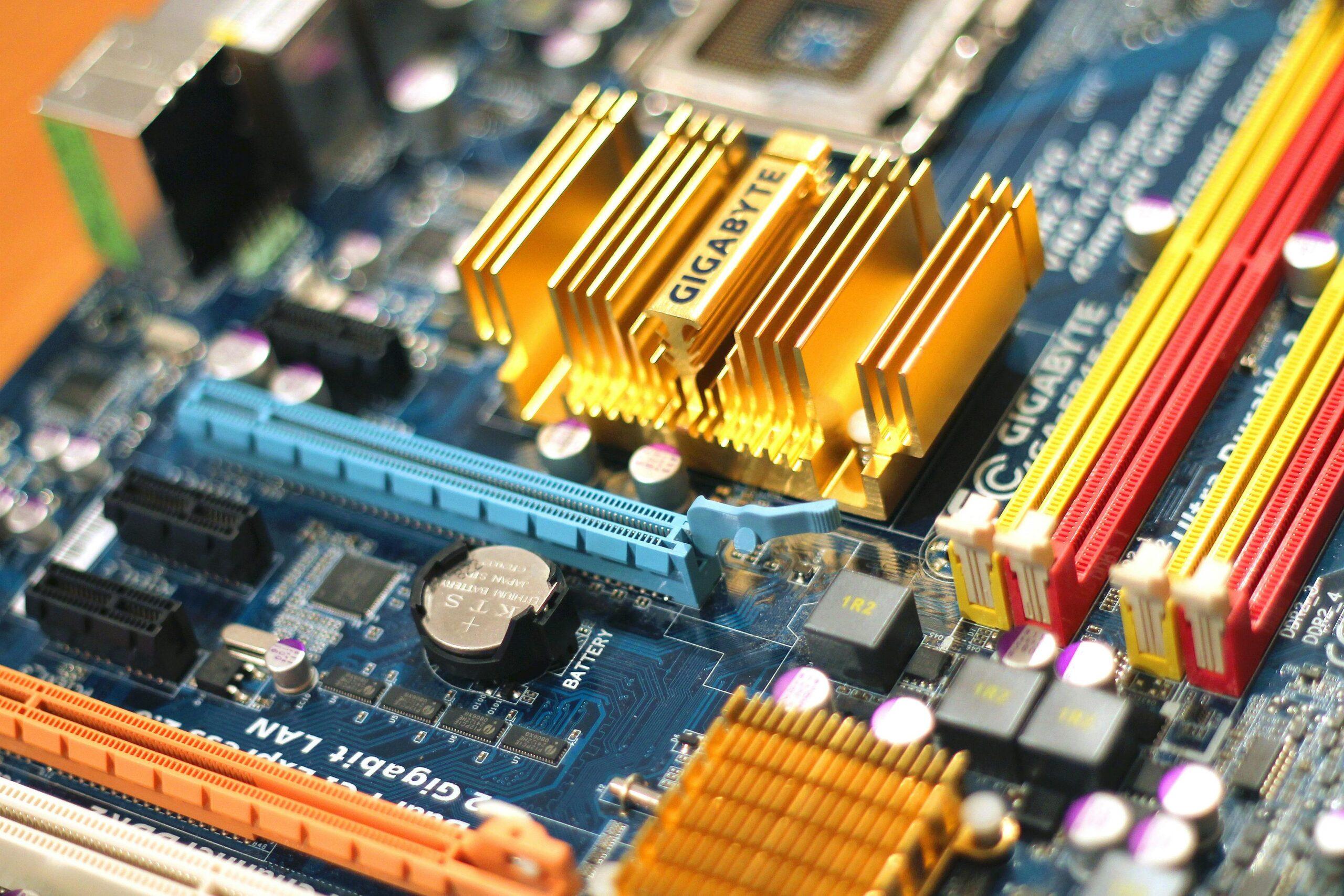
For decades, computing progress followed a predictable path: smaller transistors, faster processors, and more powerful machines. That era is slowing down. In its place, a new wave of innovation is emerging — Quantum and Advanced Computing — technologies that rethink computing from the ground up.
Rather than just making computers faster, these approaches aim to solve problems that were previously computationally impossible.
What Is Advanced Computing?
Advanced computing is a broad term that includes new computing architectures, hardware, and methods designed to go beyond the limits of traditional computers.
This includes:
● Quantum computing
● AI-accelerated hardware
● High-performance computing (HPC)
● Neuromorphic and specialized chips
● Hybrid cloud + edge systems
All of these approaches share a common goal: handle massive complexity more efficiently than conventional CPUs.
What Is Quantum Computing?
Quantum computing uses the principles of quantum physics to process information in a fundamentally different way.
Traditional computers use bits, which are either:
● 0 or 1
Quantum computers use qubits, which can be:
● 0
● 1
● both at the same time (a property called superposition)
Qubits can also become entangled, meaning the state of one qubit is directly related to another — even across distance. Together, these properties allow quantum computers to explore many possible solutions simultaneously.
This makes them especially powerful for:
● Complex optimization problems
● Simulating molecules and materials
● Cryptography and security analysis
Quantum computers don’t replace classical computers — they complement them by tackling specific problems classical systems struggle with.
Why Quantum Computing Matters
Some problems scale so quickly that even the fastest supercomputers would take thousands or millions of years to solve them.
Quantum computing can dramatically reduce that time.
Examples include:
● Simulating how molecules interact (critical for drug discovery)
● Optimizing global supply chains
● Designing new materials
● Breaking or defending cryptographic systems
This is why governments, tech giants, and research institutions are investing heavily — quantum advantage could reshape entire industries.
Real-World Examples of Quantum & Advanced Computing
1. Drug Discovery & Materials Science
Simulating molecules is incredibly hard for classical computers because quantum systems behave… quantum-mechanically.
Examples:
● IBM Quantum and Google Quantum AI are working on simulating chemical reactions
● Pharmaceutical companies are exploring quantum methods to design drugs faster and more accurately
● Materials scientists use quantum systems to explore new battery materials or superconductors
2. Optimization & Logistics
Many business problems involve finding the “best” solution among billions of possibilities.
Examples:
● Optimizing airline schedules and routes
● Supply chain and warehouse optimization
● Financial portfolio optimization
Quantum algorithms can evaluate many combinations at once, offering massive efficiency gains.
3. Cryptography & Quantum-Safe Security
One of the most disruptive implications of quantum computing is its impact on encryption.
Many current encryption methods could eventually be broken by sufficiently powerful quantum computers. This has sparked the rise of post-quantum cryptography — new encryption algorithms designed to be quantum-resistant.
Examples:
● Governments and enterprises migrating to quantum-safe encryption
● NIST (U.S. National Institute of Standards and Technology) standardizing post-quantum algorithms
● Security vendors building “crypto-agile” systems
4. AI-Accelerated & Specialized Computing
Not all advanced computing is quantum. AI workloads are driving a boom in specialized chips.
Examples:
● GPUs and TPUs designed specifically for machine learning
● Inference chips optimized for running AI efficiently at scale
● Neuromorphic computing, inspired by the human brain, which processes information using spiking neural models
These systems dramatically outperform general-purpose CPUs for AI tasks.
5. Hybrid & High-Performance Computing (HPC)
Modern advanced computing systems combine multiple approaches.
Examples:
● Classical supercomputers paired with quantum processors
● Cloud platforms offering quantum-as-a-service
● Edge devices running AI locally while offloading heavy computation to the cloud
This hybrid model allows organizations to use the right kind of computing for each task.
Challenges Ahead
Despite rapid progress, quantum and advanced computing still face hurdles:
● Qubits are fragile and prone to errors
● Systems require extreme conditions (near absolute zero)
● Software and algorithms are still maturing
● Talent and expertise are scarce
That’s why today’s focus is on practical experimentation, not immediate mass deployment.
The Road Ahead
Over the next decade, we’ll see:
● More stable and scalable quantum systems
● Integration of quantum processors into classical workflows
● Broader adoption of quantum-safe security
● Continued explosion of specialized AI hardware
Advanced computing won’t arrive all at once. It will quietly embed itself into infrastructure — accelerating science, securing data, and enabling breakthroughs behind the scenes.
Final Thoughts
Quantum and advanced computing represent a shift from faster computers to smarter computation. They open the door to solving problems that were once considered unreachable.
We’re still early — but the foundation is being laid now.
The future of computing isn’t just smaller chips. It’s entirely new ways of thinking.