
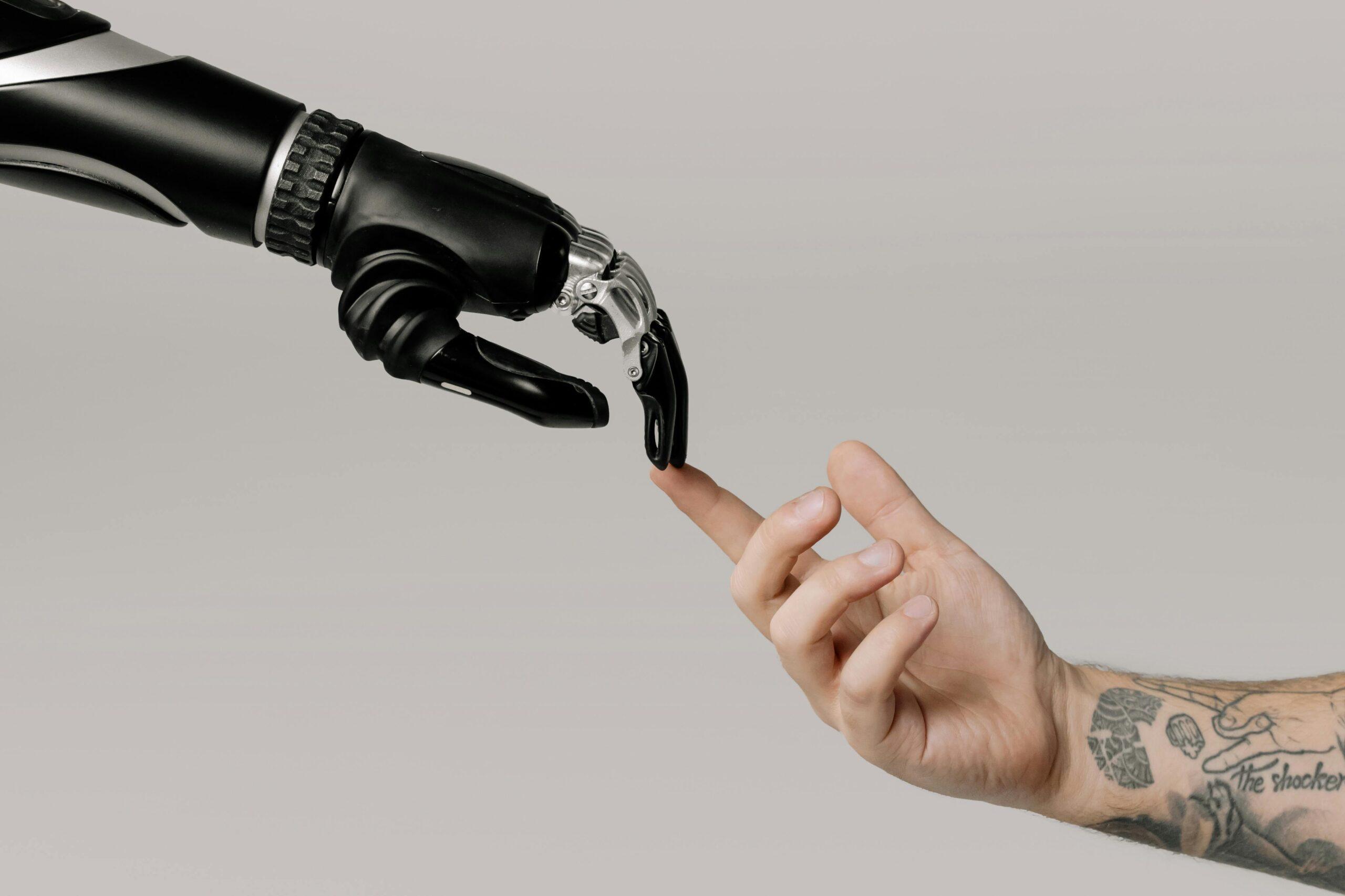
Robots have been part of industry for decades, but a new generation of machines is emerging that can see, think, and act more independently than ever before. Thanks to advances in artificial intelligence, sensors, computing power, and mechanical design, advanced robotics and autonomous machines are transforming how work gets done across industries.
From warehouses and factories to hospitals and city streets, these intelligent machines are beginning to handle tasks that once required constant human control. As the technology matures, it promises to reshape logistics, manufacturing, transportation, and many service industries.
What Are Advanced Robotics and Autonomous Machines?
Advanced robotics refers to robots equipped with sophisticated technologies—such as AI, machine vision, and sensor systems—that allow them to interact with complex environments.
Autonomous machines go a step further. These systems can perform tasks with minimal human supervision by:
● Sensing their surroundings
● Making decisions based on data
● Adapting to changing conditions
● Completing tasks automatically
In other words, instead of following rigid pre-programmed instructions, modern robots can interpret their environment and respond intelligently.
Key Technologies Behind Modern Robotics
Several breakthroughs are enabling this new wave of robotics:
Artificial Intelligence (AI)
AI allows robots to analyze data, recognize objects, and improve performance over time.
Computer Vision
Cameras and image-processing systems help robots “see” their environment, identify objects, and navigate safely.
Sensors and LiDAR
Advanced sensors detect distance, movement, and obstacles, allowing robots to operate in real-world environments.
Improved Hardware and Actuators
Better motors, materials, and battery systems enable robots to move more naturally and handle delicate tasks.
Together, these technologies create machines that are far more adaptable than traditional industrial robots.
Real-World Examples
Warehouse Automation Robots
One of the most visible uses of advanced robotics is in warehouse logistics.
Companies use autonomous robots to:
● Move inventory across large facilities
● Pick and sort packages
● Deliver items to human workers
For example, large e-commerce companies use fleets of robots that navigate warehouse floors, reducing the time it takes to process orders and improving efficiency.
Delivery Drones and Autonomous Vehicles
Transportation and logistics are also being transformed by autonomous machines.
Examples include:
● Delivery drones that transport packages directly to homes
● Autonomous trucks designed to move goods between distribution centers
● Self-driving vehicles that rely on sensors and AI to navigate roads
These technologies could significantly reduce delivery times and operating costs.
Humanoid Robots in Industry and Healthcare
Humanoid robots—machines designed to resemble the human body—are becoming increasingly capable.
In factories, these robots can:
● Assemble components
● Inspect products for quality issues
● Work safely alongside human workers
In healthcare environments, robotic assistants may help with tasks such as:
● Transporting medical supplies
● Assisting patients with mobility
● Supporting medical staff with routine operations
Why Advanced Robotics Matters
The rise of autonomous machines offers several major benefits:
Increased efficiency
Robots can operate continuously without fatigue, improving productivity.
Improved safety
Dangerous or repetitive tasks can be handled by machines instead of people.
Labor support
In industries facing labor shortages, robots can help fill critical gaps.
Precision and consistency
Robots can perform tasks with high accuracy, reducing errors.
However, the growth of robotics also raises important questions about workforce transitions, regulation, and the ethical use of autonomous systems.
The Future of Robotics
The next decade will likely see rapid growth in robotics capabilities. As AI improves and hardware costs decline, autonomous machines will expand into new areas such as:
● Agriculture and food production
● Construction and infrastructure maintenance
● Disaster response and search-and-rescue
● Home assistance and personal robotics
Eventually, robots may become as common in everyday life as smartphones are today.
Final Thoughts
Advanced robotics and autonomous machines represent a major shift in how technology interacts with the physical world. By combining intelligence, mobility, and automation, these systems are beginning to perform tasks that once seemed uniquely human.
While challenges remain, the continued development of robotics could transform industries, improve efficiency, and open the door to entirely new ways of working.
The age of intelligent machines is no longer on the horizon—it’s already beginning.