
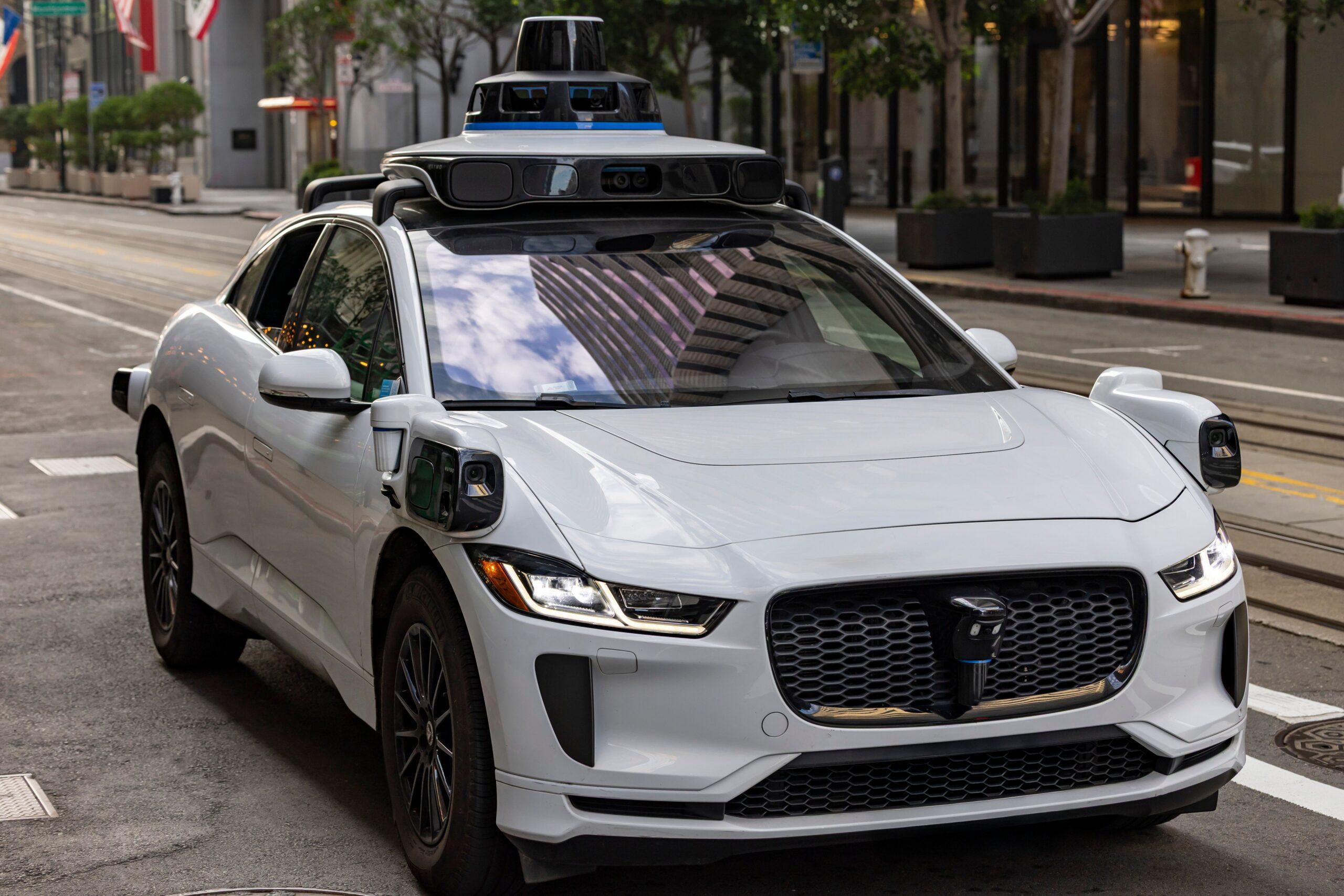
Transportation has been one of the most important technologies in human history, enabling people and goods to move across cities, countries, and continents. Today, a new revolution is underway: Autonomous Transportation.
Powered by artificial intelligence, advanced sensors, machine learning, and high-speed connectivity, autonomous transportation systems have the potential to transform how we travel, ship products, and manage transportation networks. What once seemed like science fiction is rapidly becoming reality.
From self-driving cars to autonomous delivery robots, this technology is poised to reshape industries and improve everyday life.
What Is Autonomous Transportation?
Autonomous transportation refers to vehicles and transportation systems that can operate with little or no human intervention.
These systems use a combination of:
- Artificial Intelligence (AI)
- Cameras
- Radar
- LiDAR sensors
- GPS technology
- Machine learning algorithms
Together, these technologies allow vehicles to:
- Detect their surroundings
- Identify obstacles
- Make driving decisions
- Navigate routes
- Adapt to changing road conditions
Unlike traditional vehicles that rely entirely on human drivers, autonomous vehicles can analyze vast amounts of data in real time and respond accordingly.
Types of Autonomous Transportation
Self-Driving Cars
Perhaps the most well-known example, self-driving cars can navigate roads, recognize traffic signals, avoid obstacles, and transport passengers with minimal human input.
Autonomous Trucks
Long-haul trucking is increasingly exploring autonomous technology to move freight efficiently across large distances.
Delivery Robots
Small autonomous robots can transport food, groceries, and packages directly to customers.
Delivery Drones
Autonomous drones can carry lightweight packages and deliver them quickly, especially in hard-to-reach areas.
Autonomous Public Transportation
Self-driving buses and shuttle systems are being tested in cities around the world to improve public transit services.
Real-World Examples
Waymo
Waymo operates autonomous ride-hailing services using self-driving vehicles that transport passengers without a human driver behind the wheel.
Tesla
Tesla’s Full Self-Driving technology continues to advance driver-assistance and autonomous driving capabilities.
Starship Technologies
Starship’s delivery robots transport food and small packages on sidewalks in various cities and university campuses.
Autonomous Freight Networks
Several logistics companies are developing autonomous trucking solutions designed to improve long-distance freight transportation.
Benefits of Autonomous Transportation
The potential advantages of autonomous transportation extend far beyond convenience.
1. Improved Road Safety
Human error contributes to the majority of traffic accidents.
Autonomous systems can:
- Maintain constant attention
- React faster than humans
- Avoid distractions
- Follow traffic rules consistently
This could significantly reduce accidents and save lives.
2. Reduced Traffic Congestion
Autonomous vehicles can communicate with each other and optimize driving patterns.
Benefits include:
- Smoother traffic flow
- Fewer traffic jams
- More efficient route planning
- Reduced travel times
3. Greater Accessibility
Many people face transportation challenges due to age or disability.
Autonomous transportation can provide:
- Greater independence for seniors
- Improved mobility for people with disabilities
- Better access to transportation in underserved communities
4. Lower Transportation Costs
Automation can reduce operational expenses by minimizing labor requirements and improving efficiency.
Potential savings include:
- Reduced fuel consumption
- Lower delivery costs
- Improved fleet utilization
- Reduced vehicle downtime
5. Increased Logistics Efficiency
Autonomous trucks and delivery systems can operate for longer periods without fatigue.
Benefits include:
- Faster deliveries
- More reliable shipping schedules
- Better supply chain performance
- Increased productivity
6. Environmental Benefits
Autonomous systems can optimize driving behavior to improve energy efficiency.
Possible environmental advantages include:
- Reduced fuel consumption
- Lower emissions
- Better integration with electric vehicles
- More efficient route planning
7. Enhanced Productivity
Passengers no longer need to focus on driving.
Instead, travel time can be used for:
- Working
- Learning
- Entertainment
- Communication
This transforms commuting time into productive time.
8. Better Public Transportation
Autonomous buses and shuttles can help cities improve transit services.
Benefits include:
- Expanded transportation coverage
- Reduced operating costs
- Increased service frequency
- Improved reliability
9. Stronger Supply Chains
Autonomous transportation can improve the movement of goods across the economy.
Advantages include:
- More predictable deliveries
- Reduced shipping delays
- Better inventory management
- Increased economic efficiency
10. Economic Growth and Innovation
The rise of autonomous transportation is creating opportunities across multiple industries.
Areas of growth include:
- Artificial intelligence
- Robotics
- Vehicle manufacturing
- Software development
- Infrastructure modernization
This can generate new jobs, businesses, and investment opportunities.
Challenges Ahead
Despite its promise, autonomous transportation still faces several challenges:
- Regulatory approval
- Cybersecurity risks
- Public trust and adoption
- Infrastructure requirements
- Ethical decision-making in edge cases
Addressing these challenges will be essential before widespread deployment becomes commonplace.
The Road Ahead
As AI, sensors, and computing technologies continue to improve, autonomous transportation will become increasingly capable and reliable.
Over the next decade, we may see:
- Self-driving taxi networks
- Autonomous freight corridors
- Drone delivery services at scale
- Smart cities with connected transportation systems
The transportation systems of the future will likely be safer, smarter, and more efficient than those of today.
Final Thoughts
Autonomous transportation represents one of the most exciting technological shifts of the 21st century. By combining artificial intelligence, advanced sensing, and automation, these systems have the potential to reduce accidents, lower costs, improve accessibility, and transform how people and goods move around the world.
While challenges remain, the momentum behind autonomous transportation continues to grow. As the technology matures, it could fundamentally change the way we think about mobility, logistics, and transportation itself.
The future of transportation may not involve driving at all—it may involve simply choosing a destination and letting intelligent machines handle the rest.