
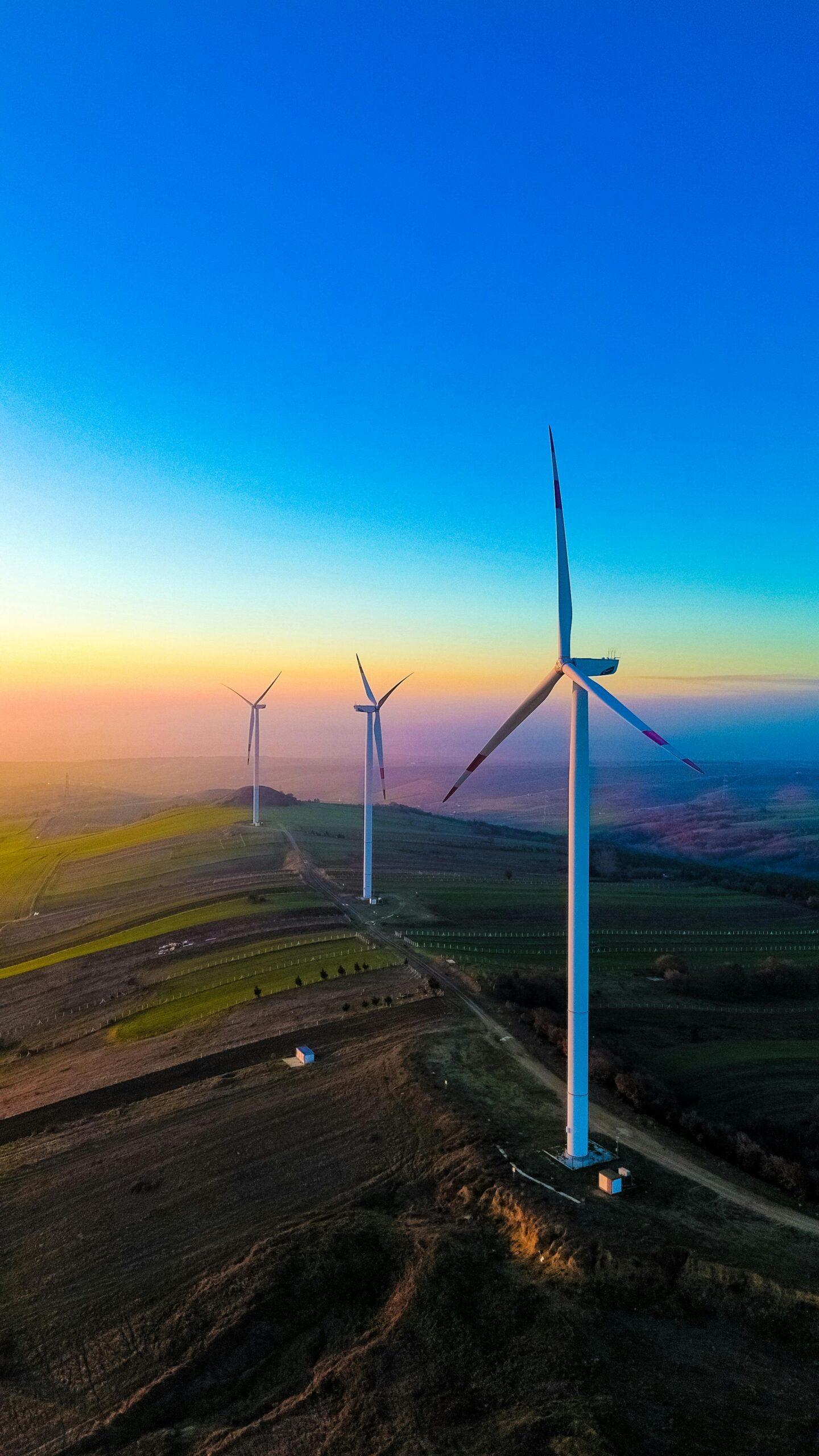
As the world faces rising energy demand and growing climate concerns, one of the most important technological shifts underway is the move toward clean energy and advanced battery systems.
This isn’t just about going “green” — it’s about building a more efficient, resilient, and future-proof energy system.
From electric vehicles to massive grid-scale storage, clean energy technologies are rapidly transforming how we produce, store, and use power.
What Is Clean Energy & Advanced Battery Technology?
Clean energy technology refers to methods of generating power with low or zero emissions, such as:
● Solar energy
● Wind power
● Hydropower
● Geothermal energy
However, renewable energy has a challenge: it’s intermittent. The sun doesn’t always shine, and the wind doesn’t always blow.
That’s where advanced batteries come in.
Advanced battery technology allows us to:
● Store excess energy when production is high
● Release it when demand increases
● Stabilize the power grid
Together, clean energy + storage form the backbone of a modern, sustainable energy system.
Examples of Clean Energy & Battery Innovations
1. Solar + Battery Storage Systems
Homes and businesses can now generate their own power and store it for later use.
Example:
● Rooftop solar panels paired with home batteries (like Tesla Powerwall-type systems)
2. Electric Vehicles (EVs)
EVs rely on advanced batteries instead of gasoline engines.
Example:
● Cars using lithium-ion or emerging solid-state batteries
● Fast-charging networks enabling long-distance travel
3. Grid-Scale Battery Storage
Massive battery installations store energy for entire cities.
Example:
● Utility companies using large battery farms to balance supply and demand
● Backup systems that prevent blackouts during peak usage
4. Solid-State Batteries
A next-generation battery technology with major advantages.
Example:
● Higher energy density → longer EV range
● Faster charging
● Improved safety (less risk of overheating)
5. Smart Grids
Digital systems that optimize energy distribution in real time.
Example:
● AI systems that shift energy usage based on demand
● Homes feeding excess solar power back into the grid
Why This Technology Matters
Clean energy and advanced batteries are not just a trend — they’re becoming essential infrastructure.
Here are the key benefits:
✅ 1. Environmental Benefits
● Reduces greenhouse gas emissions
● Decreases air pollution
● Helps combat climate change
👉 Cleaner energy means healthier ecosystems and communities.
⚡ 2. Energy Independence
● Reduces reliance on imported fossil fuels
● Enables countries and households to generate their own power
👉 More control over energy = greater stability and security.
💰 3. Long-Term Cost Savings
● Renewable energy sources like solar and wind have low operating costs
● Battery prices are steadily decreasing
👉 Over time, clean energy can be cheaper than traditional energy.
🔋 4. Reliability & Grid Stability
● Batteries store energy for use during outages or peak demand
● Reduces risk of blackouts
👉 A more stable and resilient power system.
🚗 5. Transportation Transformation
● EVs reduce fuel costs and emissions
● Less dependence on gasoline and oil markets
👉 Cleaner, quieter, and more efficient transportation.
🏭 6. Economic Growth & Job Creation
● New industries in renewable energy, battery production, and infrastructure
● Growth in engineering, manufacturing, and tech roles
👉 Clean energy is becoming a major economic driver.
🌐 7. Scalability & Flexibility
● Energy systems can be decentralized (homes, communities, businesses)
● Works at both small and massive scales
👉 Power systems become more adaptable and efficient.
🔒 8. Future-Proof Infrastructure
● Supports emerging tech like AI, smart cities, and autonomous systems
● Enables electrification of industries
👉 Clean energy is the foundation of future innovation.
Challenges to Overcome
Despite rapid progress, there are still hurdles:
● Battery production requires rare materials (like lithium)
● Recycling and sustainability of batteries
● Infrastructure upgrades needed for grids and charging networks
● Initial investment costs
However, ongoing innovation is steadily addressing these issues.
The Road Ahead
The future of energy will likely be:
● Decentralized (many small sources instead of a few large ones)
● Digital (AI-managed systems)
● Electrified (more systems running on electricity)
● Sustainable (low environmental impact)
As clean energy and battery technologies continue to improve, they will become the default, not the alternative.
Final Thoughts
Clean energy and advanced batteries are reshaping the global energy landscape. What was once a niche movement is now a central pillar of modern technology and economic strategy.
This shift isn’t just about saving the planet — it’s about building a smarter, more resilient, and more efficient world.
The future of energy isn’t coming. It’s already here — and it’s getting stronger every day.