
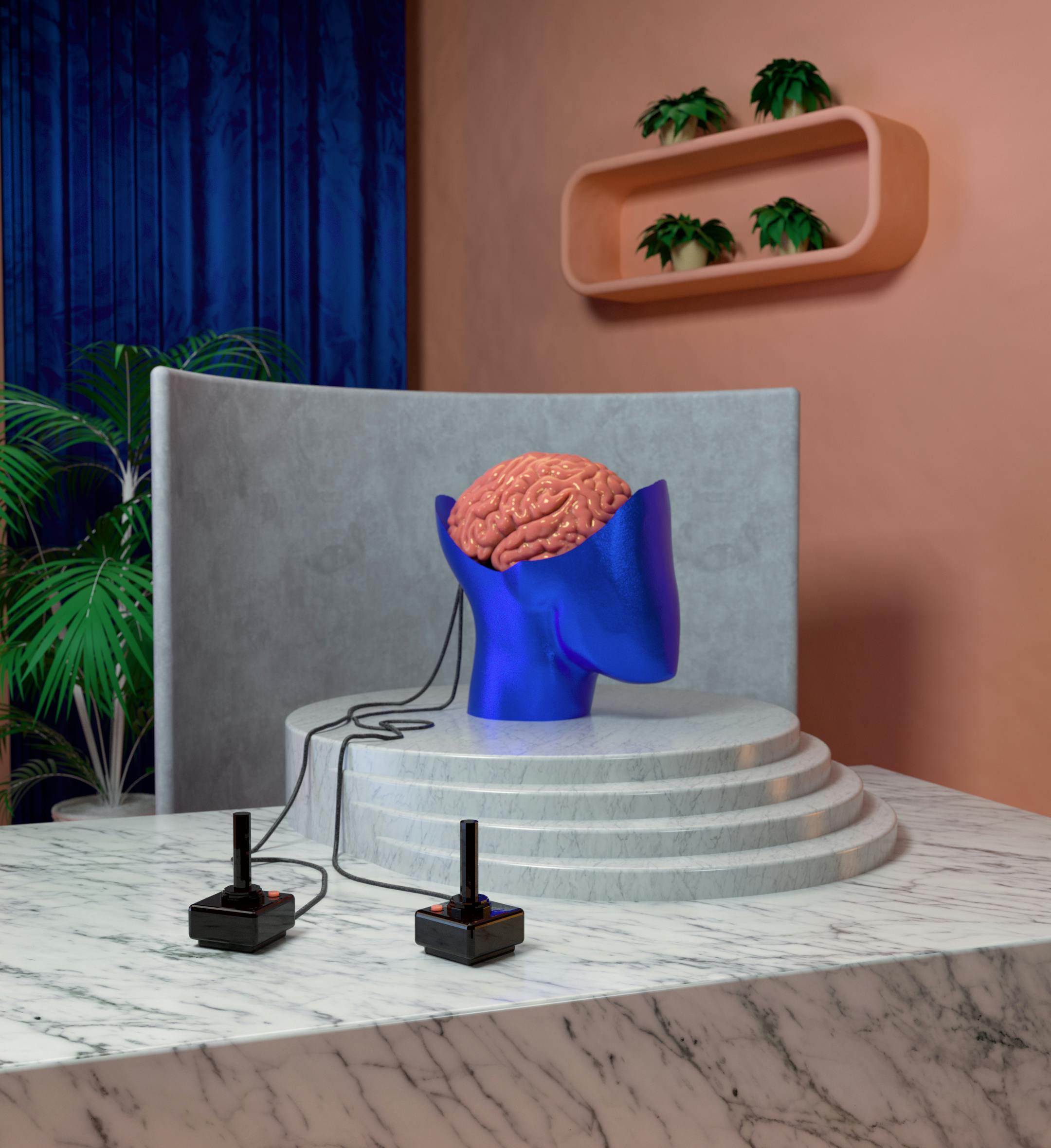
For decades, the idea of controlling technology with nothing but thought belonged to science fiction. Today, that vision is rapidly becoming reality through one of the most fascinating emerging technologies in the world: Brain–Computer Interfaces (BCIs).
From helping paralyzed patients communicate to enabling advanced prosthetics and potentially transforming how humans interact with computers, BCIs are opening the door to a future where the brain can communicate directly with machines.
While the technology is still developing, experts believe BCIs could eventually become as transformative as smartphones or the internet.
What Is a Brain–Computer Interface (BCI)?
A Brain–Computer Interface is a system that creates a direct communication pathway between the human brain and an external device, such as a computer, robotic limb, or digital system.
BCIs work by:
- Detecting electrical signals produced by the brain
- Interpreting those signals using software and AI
- Translating them into commands that control a device
In simple terms, BCIs allow technology to respond directly to human thought.
How BCIs Work
The human brain constantly generates electrical activity through neurons communicating with each other. BCIs capture these signals using sensors or implants.
There are two main types:
Non-Invasive BCIs
These use external devices placed on the head.
Examples:
- EEG headsets that read brainwave patterns
- Wearable neural devices for gaming or meditation
Benefits:
- Safer and easier to use
- No surgery required
Invasive BCIs
These involve surgically implanted devices placed inside or near the brain.
Examples:
- Neural implants helping paralyzed individuals control computers
- Brain-controlled robotic limbs
Benefits:
- More accurate signal detection
- Greater control and precision
Real-World Examples of BCI Technology
1. Brain-Controlled Prosthetics
One of the most powerful uses of BCIs is helping amputees or paralyzed individuals control robotic limbs through thought alone.
Users can:
- Move robotic arms
- Grasp objects
- Perform simple tasks naturally
This technology could dramatically improve independence and quality of life.
2. Communication for Paralyzed Patients
BCIs are helping individuals with severe paralysis communicate again.
Examples include:
- Typing words using only brain signals
- Controlling digital keyboards mentally
- Speech-generation systems powered by neural activity
For patients unable to speak or move, this can be life-changing.
3. Neurotechnology for Healthcare
Researchers are exploring BCIs to help treat neurological conditions such as:
- Epilepsy
- Parkinson’s disease
- Depression
- Spinal cord injuries
Some systems can stimulate specific brain regions to improve symptoms or restore lost functions.
4. Gaming and Virtual Reality
BCIs are beginning to appear in entertainment and immersive technology.
Potential uses include:
- Controlling games using thought
- Enhancing VR immersion
- Emotion-responsive digital experiences
Though early, these applications hint at entirely new forms of interaction.
5. Human–AI Interaction
Future BCIs may allow faster interaction with AI systems and computers without keyboards, touchscreens, or voice commands.
Imagine:
- Writing messages mentally
- Controlling smart devices instantly
- Interacting with digital systems seamlessly
This could fundamentally change how humans use technology.
The Benefits of Brain–Computer Interfaces
BCIs offer a wide range of potential benefits across healthcare, accessibility, productivity, and communication.
1. Restoring Mobility and Independence
For people with paralysis or physical disabilities, BCIs can:
- Enable movement through robotic prosthetics
- Control wheelchairs or assistive devices
- Restore independence in daily activities
This is one of the most impactful areas of BCI development.
2. Improving Communication
BCIs may help individuals who cannot speak communicate effectively.
Benefits include:
- Faster communication methods
- Greater social interaction
- Improved quality of life for patients with neurological conditions
3. Advancing Healthcare and Neuroscience
BCIs could help researchers better understand the human brain and develop new treatments.
Potential benefits:
- Earlier diagnosis of neurological disorders
- Personalized brain therapies
- Improved rehabilitation methods
4. Faster Human–Computer Interaction
BCIs could eventually make interaction with computers dramatically faster and more intuitive.
Possible advantages:
- Hands-free control
- Reduced reliance on keyboards and screens
- More natural interaction with digital systems
5. Enhanced Immersive Experiences
BCIs combined with VR and AR may create deeply immersive digital environments.
Potential uses:
- Advanced gaming experiences
- Virtual collaboration spaces
- Immersive training simulations
6. Increased Accessibility
BCIs can create new opportunities for people with disabilities by enabling access to technology in ways previously impossible.
This could improve:
- Education
- Employment opportunities
- Communication and independence
7. Human Augmentation Possibilities
Long-term research explores whether BCIs could enhance memory, learning, or cognitive performance.
While highly experimental, future applications may include:
- Faster information access
- Improved multitasking
- Enhanced interaction with AI systems
Challenges and Ethical Questions
Despite the excitement, BCIs raise important concerns:
- Privacy of neural data
- Cybersecurity risks
- Ethical use of cognitive enhancement
- Cost and accessibility
- Long-term health effects of implants
As the technology develops, governments and researchers will need strong ethical and safety standards.
The Road Ahead
Brain–Computer Interfaces are still in the early stages, but progress is accelerating rapidly. Advances in AI, neuroscience, sensors, and computing are making BCIs more accurate, practical, and accessible.
In the future, BCIs could become common in:
- Healthcare
- Education
- Gaming
- Communication
- Workplace productivity
The relationship between humans and computers may eventually become far more seamless than anything we know today.
Final Thoughts
Brain–Computer Interfaces represent one of the most ambitious technologies ever developed — a direct connection between the human mind and machines.
What began as experimental neuroscience is evolving into a powerful platform for accessibility, healthcare, and human–computer interaction.
The future of computing may not involve typing or tapping at all.
It may begin with a thought.